Full Mouth Dental Implants Cape Town for Complete Dental Solutions
Receive a Full Set of Dental Implants: Change Your Smile Today
Dental implants constitute a major breakthrough in reconstructive dental care. They provide a durable, permanent solution for those seeking to enhance their appearance. By replicating the organic design of teeth, these implants offer both visual attractiveness and functional benefits. However, the process requires thoughtful evaluation and understanding of individual needs. What factors should one evaluate before making this decision? Exploring the details can illuminate the potential advantages and challenges ahead.

The Strengths of Whole Dental Implants
Full dental implants provide numerous benefits for people looking for a permanent answer to tooth loss. They deliver a natural appearance and function, nearly mimicking real teeth, which boosts confidence and enhances appearance. Unlike removable dentures, full dental implants are firmly anchored in the jawbone, eliminating problems with shifting or discomfort during chewing or talking.
Furthermore, these alternatives support upholding jawbone condition. When teeth are lost, the jawbone can deteriorate over time; full dental implants stimulate bone growth, maintaining facial structure. Furthermore, they demand no special cleaning methods beyond regular oral hygiene, making them convenient for daily care.
Patients often state enhanced quality of life, as full dental implants give them to enjoy a broad range of foods without limits. The long-term durability of implants also makes them a cost-effective option over time, limiting the need for regular maintenance and replacements linked to other tooth replacement methods.
Dental Implants: What Are They and How Do They Function?
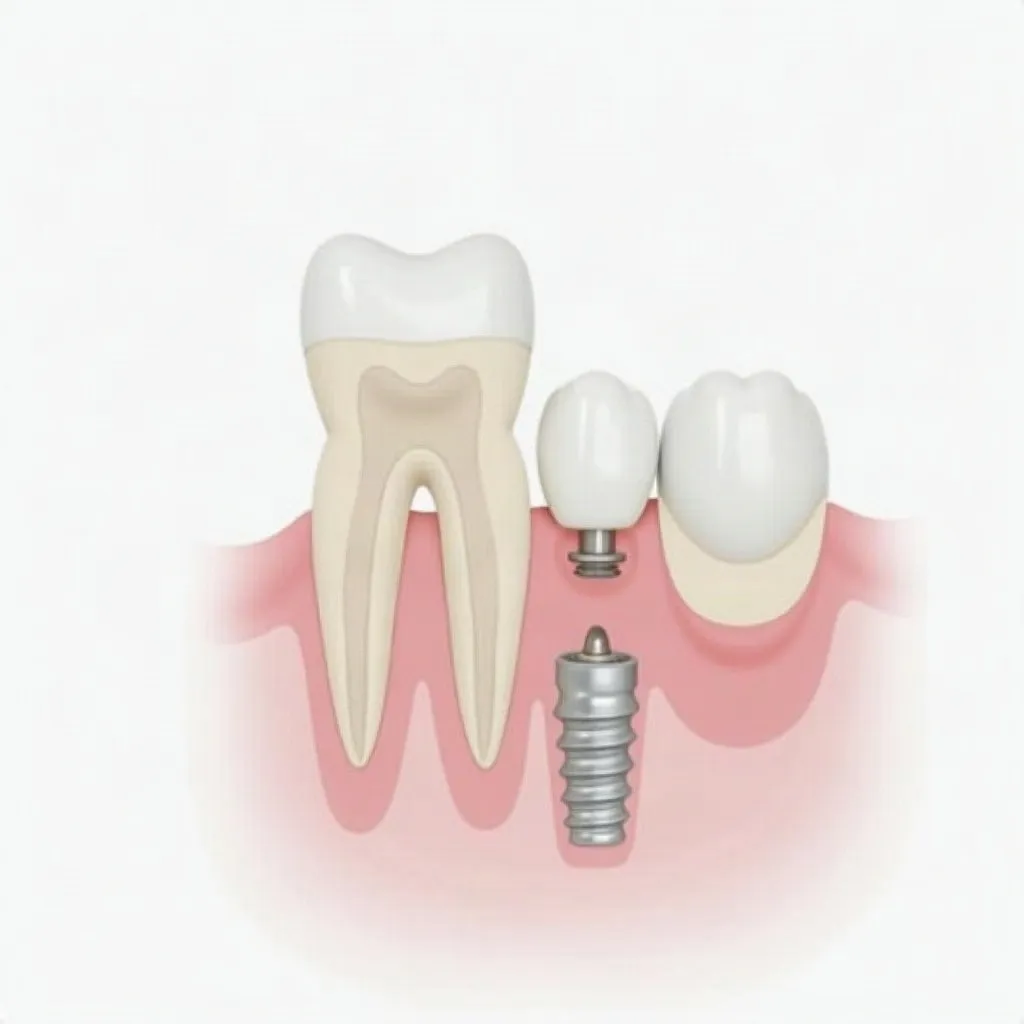
Dental implants are cutting-edge options designed to replace missing teeth, offering a lasting and efficient option to conventional dentures and bridges. These implants are made up of a titanium post that is operatively placed into the jawbone, serving as a sturdy root for the new tooth. The process begins with the fusion of the implant into the bone, a process known as osseointegration, which typically takes several months. Once healed, a bespoke crown is attached to the post, delivering a natural appearance and function.
Dental implants improve appearance and improve oral health by preventing bone loss, which can happen when teeth are missing. They enable people to experience comfortable eating and speaking without the pain associated with removable dentures. In summary, dental implants represent a major breakthrough in dental technology, offering a reliable solution for those looking to regain their smile and confidence.
What processes are involved of getting Dental Implants?
The procedure of receiving dental implants requires several critical steps designed to secure a favorable outcome. Initially, a detailed appointment with a dental expert is essential. This assessment incorporates evaluating oral health, obtaining X-rays, and discussing the patient's medical history to establish appropriateness for the procedure.
After being deemed suitable, a therapeutic strategy is established, detailing the required steps and timeline. The next phase typically includes the surgical placement of the implant, which is a titanium post placed in the jawbone to function as a root for the substitute tooth. After surgery, a healing period is essential, enabling the implant to integrate with the bone.
After sufficient healing, an abutment structure is attached, then the placement of a custom-made dental prosthetic that matches the individual's natural teeth. Throughout this process, periodic follow-up visits ensure that all elements is progressing as planned, laying the groundwork for a thriving dental restoration.
Aftercare Guidelines for Your Dental Implants
Proper aftercare is critical for the longevity and functionality of dental implants. Patients should adhere to their dentist’s post-operative instructions closely. Initially, upholding oral hygiene is vital; soft gentle brushing and rinsing with a recommended antibacterial mouthwash helps to prevent infection. It is recommended to avoid hard or sticky foods for the first few weeks, opting for softer options instead.
Regular dental assessments are needed to assess the implants and surrounding tissues. Patients should also be aware of any documentation markers of unease or unusual changes, such as edema or oozing, and relay these to their dentist without delay. Additionally, ceasing smoking can greatly enhance healing and reduce complications.
Remaining hydrated and maintaining a balanced diet supports overall health, moreover aiding the implant process. By practicing these care instructions, people can increase the likelihood of successful integration and long-term gratification with their dental implants.
How to Determine if Full Dental Implants Are Right for You?
Are you wondering if full dental implants are the right choice? People evaluating this alternative should evaluate multiple important considerations. First, they must assess their dental condition; adequate bone structure and strong gum tissue are essential for effective implant placement. Consulting with a dentist can provide insights into whether one's dental structure supports implants.
Additionally, clients should think about their way of life and future dentistry objectives. Comprehensive dental implants deliver durability and a realistic aesthetic, making them ideal for those looking for a enduring fix. Financial implications are also essential; while implants can be high-cost, they may provide better returns over time in comparison with other dental solutions.
To summarize, personal preferences regarding upkeep and visual presentation matter greatly. By analyzing these factors, individuals can determine the right path about whether total dental implants accommodate their needs and expectations for a restored smile.
Frequently Sought Questions
What Represents the Expected Duration of Dental Implants?
Dental implants often last between 10 to 15 years, with many remaining much longer based on considerations such as dental maintenance, the person's health, and the standard of the implant procedure. Regular dental check-ups are critical for longevity.
Is Dental Implant Treatment Paid by Insurance Plans?
Dental implants often aren't wholly covered by coverage plans. Benefits vary based on the individual policy, with certain policies offering modest benefits for the surgery, while some might not cover it entirely. It's essential to confirm your particular insurance details.
Are Tooth Implants Accessible to Everybody?
Not all patients qualify for dental implants. Factors such as bone density, overall health, and oral hygiene play vital roles in determining eligibility. A thorough consultation with a dental professional is essential for assessment.
What Are the Costs Associated with Full Dental Implants?
The expense of complete dental implants generally ranges from $20,000 to $40,000, based on various factors such as location, materials used, and individual needs. Patients should consult dental professionals for accurate estimates customized to their circumstances.
Are Dental Implants Comparable to Natural Teeth?
Dental implants commonly mimic natural teeth for most individuals. They are built to bond with the jawbone, ensuring stability and comfort. Many users express a high level of satisfaction with their functional and aesthetic qualities.